

HEP2go: The Free Home Exercise Program Tool Therapists Actually Use
Struggling to hand patients an exercise sheet they’ll actually follow at home? Paper handouts get lost, instructions get forgotten, and recovery slows down. Heptogo solves this gap directly. It gives physical therapists, occupational therapists, and athletic trainers a free, web-based way to build and send home exercise programs patients can open on any device, any time.
What Is HEP2go and Why Clinics Rely On It
This platform is a web-based home exercise program tool built for rehabilitation professionals. It serves physical therapists, occupational therapists, athletic trainers, and other qualified rehab professionals who need to prescribe exercises for patients to complete outside the clinic.
Instead of drawing stick figures on paper or searching for exercise photos online, a clinician logs in, picks from a large exercise library, and assembles a custom routine in minutes. The patient then receives that routine as a printout, PDF, or digital link.
This matters because home compliance is where most rehab outcomes are won or lost. A tool built specifically for this handoff removes friction for both the clinician and the patient.
The Story Behind HEP2go
Heptogo was not built by a marketing team guessing at what therapists need. It was created by a group of physical therapists who understood the daily challenge of giving patients usable exercise programs, and the platform has stayed in active use for over a decade because of that clinical grounding.
That origin story is part of why so many rehab professionals trust it. The people who built it used it in their own clinics first.
Core Features of the HEP2go Platform
This tool keeps its feature set focused rather than bloated. Here is what a typical account includes:
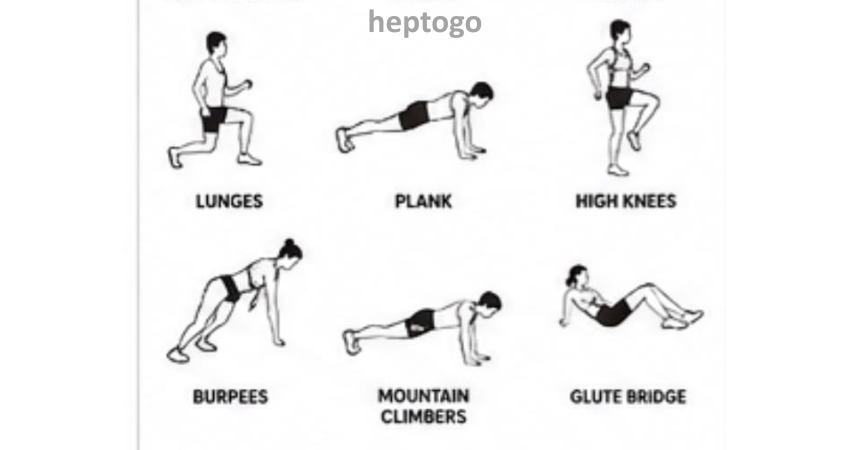
- A large searchable library of exercises with heptogo and written instructions
- Custom program builder to combine exercises into a single handout
- Printable PDF output for patients without internet access
- Digital delivery through a unique exercise code
- Categories covering orthopedic, neurological, and general conditioning needs
Clinicians who want more advanced delivery options can upgrade to a paid Pro tier, but the free account already covers the basics most solo practitioners and small clinics need.
HEP2go Free Plan: What You Actually Get
The word “free” gets used loosely in software marketing, so it helps to know exactly what’s included. The platform operates on a freemium model, offering a membership with core features like access to the full content library, custom exercise creation, and the ability to print completed programs.
That means a solo practitioner or student heptogo can build professional exercise handouts without paying anything upfront. The free tier is a real working product, not a stripped-down trial.
HEP2go Pro: When Upgrading Makes Sense
The paid tier adds convenience features rather than gatekeeping core functionality. The Pro membership unlocks unlimited saved routines, direct delivery via email, SMS text, or QR code, custom branding on handouts, and a translation feature supporting numerous languages.
Busy clinics that send heptogo of programs weekly usually find the time saved on delivery and translation worth the monthly cost. Solo providers with lighter caseloads often stay on the free plan indefinitely.
Understanding the HEP2go Exercise Code
Every home exercise program built on heptogo gets a unique exercise code. Patients enter this code on the site (or the linked myexercisecode.com portal) to pull up their exact routine without needing a login or password.
This code-based system is one of the platform’s smartest design choices:
- The therapist builds the program and generates a code
- The code is written on the handout or texted to the patient
- The patient types the code into the site
- The exact exercise list appears instantly on any device
No app download. No account creation. Just a code and a screen.
How to Build a Home Exercise Program Step by Step
Building a program on this platform follows a simple, repeatable workflow:
- Search the exercise library by body part, condition, or keyword
- Select the exercises that match the patient’s treatment plan
- Set reps, sets, and frequency for each exercise
- Add clinical notes or precautions where needed
- Generate the program as a printed handout or a shareable code
Most experienced clinicians can complete this entire process in under five minutes once they know the library layout.
Physical Therapy Exercises List: What HEP2go Covers
A strong exercise library needs breadth. Its collection spans multiple treatment categories, including:
| Category | Example Focus Areas |
|---|---|
| Orthopedic | Shoulder, knee, hip, spine rehab |
| Neurological | Balance, coordination, stroke recovery |
| Sports Rehab | Return-to-play strength and mobility |
| Pediatric | Developmental and motor-skill exercises |
| Geriatric | Fall prevention, mobility maintenance |
| Post-Surgical | Guided recovery protocols |
This range lets a single clinic standardize on one tool instead of juggling several exercise libraries for different patient populations.
Why Home Exercise Programs Improve Patient Outcomes
Exercise prescribed in the clinic only works if it continues at home. Patients who receive clear, visual instructions are far more likely to stay consistent between sessions.
A written and illustrated program removes guesswork. It answers the questions patients forget to ask before leaving the clinic, like how many repetitions to do or what proper form looks like.
Consistency at home also shortens the overall treatment timeline. Fewer missed exercises typically means fewer setbacks and fewer added clinic visits.
HEP2go vs. Other Home Exercise Program Builders
Heptogo is not the only option on the market, and it helps to know where it stands. It is free, or roughly seven dollars a month for the Pro tier, with a library of more than two thousand exercises, and it’s simple enough for any clinician to build a program in minutes. Competing platforms often add patient-monitoring dashboards and billing integrations, but at a higher cost and steeper learning curve.
For a therapist who mainly needs a fast, reliable way to hand out exercise routines, its simplicity is the selling point, not a limitation.
Common Limitations Therapists Should Know
No platform fits every workflow perfectly. Its most cited drawback is the lack of direct integration with electronic medical record systems, which means exercise details need manual entry into patient charts.
It also has fewer built-in patient-monitoring features compared to premium competitors that track adherence data automatically. Clinics that depend heavily on remote monitoring billing may need a supplementary tool for that specific function.
Tips to Get the Most Out of HEP2go
A few habits make the platform noticeably more effective:
- Save frequently used programs as templates to speed up future visits
- Add short written cues next to each exercise for patients who forget verbal instructions
- Text the exercise code directly instead of relying only on a paper printout
- Review the PDF layout before printing to confirm images are clear
- Revisit and update the program every few visits as the patient progresses
Small adjustments like these turn a good tool into a genuinely reliable part of a clinic’s daily routine.
Is HEP2go Right for Your Practice?
Heptogo fits best for solo practitioners, students, and small-to-mid-size clinics that need a dependable, low-cost way to prescribe home exercises. Larger practices chasing remote monitoring reimbursement or full EMR integration may eventually need a more advanced platform alongside it.
For most everyday clinical use, though, HEP2go remains a practical, patient-friendly choice that keeps recovery moving forward outside the clinic walls.
Frequently Asked Questions
Is HEP2go completely free to use? Yes. It offers a genuine free membership that includes the full exercise library, custom program building, and printing. A paid Pro tier exists for clinics that want email, SMS, QR code delivery, and branding options.
How does the exercise code work? Each program you build generates a unique code. Patients enter that code on the site to instantly view their assigned exercises without creating an account.
Can patients access their program on their phone? Yes. Programs built on the platform open on any smartphone, tablet, or computer browser, so patients are not restricted to a printed page.
Does it integrate with EMR software? No. Direct EMR integration is not currently offered, so clinicians typically enter exercise details into patient charts manually.
What is included in the Pro membership? Pro membership adds unlimited saved routines, direct email/SMS/QR code delivery, custom clinic branding, and multi-language translation support.
Who typically uses HEP2go? Physical therapists, occupational therapists, athletic trainers, and other rehabilitation professionals use it to prescribe home exercise programs for patients recovering from injury, surgery, or chronic conditions.
Final Thoughts
HEP2go earns its place in so many clinics because it solves one problem cleanly: getting patients to actually do their exercises at home. The free plan covers real clinical needs, the exercise code system removes friction for patients, and the library spans enough conditions to serve most rehab settings. If home compliance has been slowing down your patients’ recovery, building your next program on this platform is a practical place to start today.