
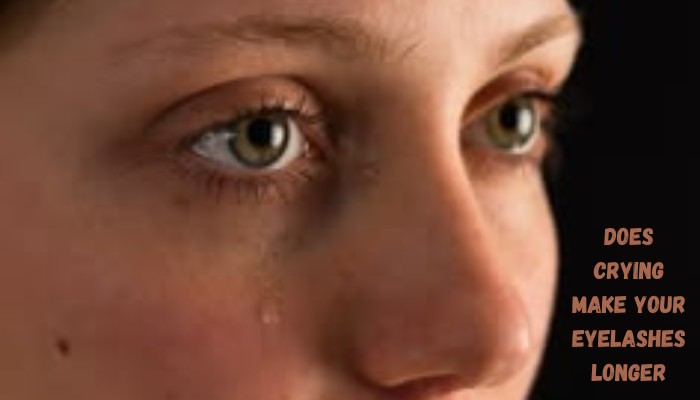

Your eyelashes go through a natural growth cycle just like the hair on your head. Each lash has a lifespan of about 4 to 11 months, moving through distinct phases that determine when it grows, does crying make your eyelashes longer, and eventually falls out. Understanding this biological process helps explain why people often wonder if tears play a role in lash development.
The growth cycle consists of three main stages. First comes the anagen phase, which is when your lashes actively grow. This phase can last anywhere from 4 to 10 weeks. During this time, the follicle works overtime to push the hair shaft outward, and this is when your lashes reach their full potential length. Next is the catagen phase, a transitional period lasting about 2 to 3 weeks where growth slows down and the follicle shrinks. Finally, there’s the telogen phase, the resting period that can last 4 to 9 months before the lash eventually falls out and a new one begins growing.
The Role of Tears in Eye Health
Tears are does crying make your eyelashes longer quite remarkable when you examine their composition and function. They’re far more than just salty water. Each tear contains water, oils, mucus, and important proteins like lysozyme and lactoferrin that protect your eyes from infection and irritation. When you cry emotionally, your body releases these protective tears in greater quantities than usual.
These tears serve several important purposes for your eye health. They keep the cornea lubricated, help flush away dust and debris, and protect against bacteria. The moisture that tears provide can make your eyes feel refreshed and can temporarily improve the appearance of your lashes by adding shine and making them look more defined.
However, this cosmetic benefit from moisture is temporary and different from actually growing longer lashes. The tear film coating your lashes might make them appear fuller and more prominent for a moment, but it’s not creating new hair growth. Once the tears evaporate or you wipe them away, your lashes return to their normal appearance.
What Actually Determines Eyelash Length
Several factors influence does crying make your eyelashes longer, and genetics tops the list. Just like you inherit your hair color and texture from your parents, you also inherit your lash length potential. Some people naturally have longer, fuller lashes while others have shorter, sparser ones. This genetic blueprint is largely determined before you’re even born.
Hormones play a significant role too. During pregnancy, many women notice their lashes become thicker and fuller. This is due to hormonal changes that extend the anagen phase of the hair growth cycle. After pregnancy, hormone levels normalize and lashes often return to their previous appearance. This is why some women specifically ask about lash growth during their reproductive years.
Age is another factor you can’t control. As you get older, hair growth naturally slows down, and this applies to your eyelashes too. Many people notice their lashes become thinner and lighter with age. This is a natural part of aging and isn’t something that crying or additional moisture can reverse.
Myths About Tears and Beauty
Popular culture and beauty forums are full of stories about people who claim does crying make your eyelashes longer gave them longer lashes. While these anecdotal accounts are genuine personal experiences, they don’t necessarily prove a causal relationship. Someone might have cried during a period when their lashes were naturally growing longer anyway, or they might be noticing the temporary plumping effect of tear-dampened lashes.
The myth likely persists because of confirmation bias. When we want something to be true, we unconsciously notice evidence that supports it while dismissing contradictory information. Someone who believes crying makes lashes longer will notice and remember times when they cried and had good lash days, while forgetting times when crying had no effect.
Social media has amplified these myths significantly. Beauty influencers and makeup artists sometimes perpetuate the idea without scientific backing, and it spreads quickly because people like simple explanations for achieving beautiful features. The truth is that lash length is determined by much less dramatic and romantic factors than emotional tears.
How to Genuinely Grow Longer, Healthier Lashes
If you want to maximize your natural lash potential, focus on factors you can actually control. Eat a balanced diet that includes sufficient protein, iron, and B vitamins. Consider adding foods like eggs, nuts, salmon, and leafy greens to your meals. Your hair follicles will thank you with healthier growth.
Be gentle with your lashes during your beauty routine. Avoid pulling or tugging when applying or removing makeup. Use a proper makeup remover instead of just wiping away your makeup with any cloth or your hands. Rough treatment damages lashes and can cause them to break before reaching their full length.
Consider talking to your doctor if you’re experiencing unusual lash loss or extremely slow growth. Certain medical conditions and medications can affect hair growth, and a healthcare professional can help determine if something else is going on.
Eyelash Growth Products and Their Effectiveness
The market is flooded with serums, conditioners, and supplements claiming to boost lash growth. Some actually have science behind them while others are purely marketing hype. Bimatoprost is an FDA-approved medication that genuinely does promote lash growth, but it requires a prescription and was originally developed for treating glaucoma.
Peptide-based serums and mascaras have become increasingly popular. These products contain amino acids that may support stronger, healthier lash growth. Some people report seeing improvements after consistent use, though results vary widely based on individual genetics and starting point.
When choosing any lash growth product, look for evidence of testing and honest marketing claims. Be wary of products promising dramatic results in just weeks. Real lash growth takes time because of that natural growth cycle we discussed earlier. You won’t see noticeable improvements until you’ve gone through at least one complete growth cycle, which takes months.
When to See a Professional About Lash Concerns
If you’re losing more lashes than normal or noticing sudden changes in your lash growth, it’s worth mentioning to your doctor. Certain conditions like alopecia can affect eyelash hair, and thyroid problems can impact hair growth throughout your body, including your lashes.
A dermatologist can examine your lashes and help determine if you have a genuine problem or if you’re simply noticing normal lash shedding. They can also recommend the best products or treatments for your specific situation. Professional guidance is especially important if you’re considering prescription treatments like bimatoprost.
If you’re concerned about lash appearance for cosmetic reasons, an esthetician or lash technician can offer practical advice about styling, extensions, and enhancement options that might suit your preferences and lifestyle.
The Bottom Line on Tears and Lashes
Does crying make your eyelashes longer. While tears provide moisture and beneficial proteins that temporarily enhance lash appearance, they don’t affect the biological growth cycle that determines actual lash length. Your genetics, hormones, nutrition, and overall health are the real drivers of lash growth.
The good news is that understanding what actually influences lash health gives you real strategies to work with. By maintaining good nutrition, treating your lashes gently, staying hydrated, and managing your overall health, you can help your lashes reach their full genetic potential. That’s far more empowering than hoping for longer lashes every time you have an emotional moment.
Read Also: Does Crying Make Your Eyelashes Longer?